OUR HISTORY

ACOS Over 100 Years

In June 1926, fifty-two years after physician Andrew Taylor Still founded a school of osteopathy, ten surgeons met during the American Osteopathic Association (AOA) convention in Louisville, Kentucky, to discuss the founding of a new professional association. Its purpose: to set high educational standards for its members and to provide continuing surgical education.


From Dream to Reality

On January 26, 1927, that dream became a reality, and the American College of Osteopathic Surgeons was incorporated as a not-for-profit, tax exempt organization, formed by visionary leaders who selflessly nurtured and directed the College and the profession. Their tireless devotion and countless contributions have been invaluable in raising training standards for osteopathic surgeons and thereby the quality of patient care and in giving osteopathic physicians a respected voice in the greater medical community and our nation’s capital.

According to charter member Albert C. Johnson, D.O., the College’s founders “were desirous of retaining the osteopathic concept in its relationship to the practice of surgery, for each of them was sufficiently experienced in surgical practice to recognize the value of Dr. Still’s teachings in the care of surgical patients. Up to the present time that osteopathic influence still prevails wherever the members of the American College of Osteopathic Surgeons gather.”

From its earliest years, the College set standards for teaching and nonteaching hospitals in cooperation with the AOA’s Bureau of Hospitals.

In addition to hospital inspections, the ACOS made recommendations to the AOA regarding the qualifications surgeons had to have to operate in approved hospitals. Until the ACOS developed these standards, the only qualifications required to do surgery were those established by individual hospitals.

The College also set standards for formal hospital training programs. This was especially important because at the time the ACOS was founded, the surgical residency, as it is known today, was unavailable in osteopathic institutions. Most surgeons received their surgical training through preceptorships, serving as apprentices or assistants to surgeons until they were deemed qualified to perform procedures on their own. Such training was often supplemented by having surgeons visit outstanding teaching centers in the United States and Europe.

As another of their early tasks, ACOS founders decided to allow interns who had fulfilled certain requirements the opportunity to work at other hospitals for a period of one month; all of their expenses were paid. This was the first time trainees were able to participate in a so-called “out-service” program. Participating hospitals included Southwest Osteopathic Sanitorium in Wichita, Kansas; Monte Sano Hospital in Los Angeles, California; Lakeside Hospital in Kansas City, Missouri; and Massachusetts Osteopathic Hospital in Boston, Massachusetts.

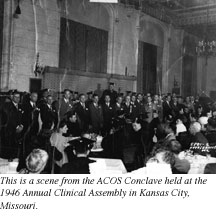
Throughout the 1940s, the American College of Osteopathic Surgeons (ACOS) continued to raise educational standards and improve hospital training programs. It also established criteria for recognition of emerging surgical specialties and helped create the American Osteopathic Board of Surgery (AOBS) to certify the qualifications of osteopathic physicians.

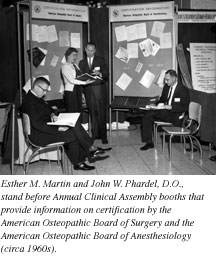
The following decades were filled with numerous firsts and achievements, such as the development of stringent educational standards for surgical training programs and mandatory continuing education requirements; the establishment of the Annual Clinical Assembly (ACA); and the reorganization of the Board of Governors to better represent the membership and meet its professional needs. Eventually, ACOS disciplines were organized according to the following categories: general surgery, neurological surgery, plastic and reconstructive surgery, urological, and cardiothoracic and vascular surgery.

Time and again, the College has prevailed through its determination, persistence, and belief in its mission.

We thank our founders and all of the members who have volunteered their time to improve the profession.

“We, Dr. George M. Laughlin, Dr. John Deason, Dr. S.D. Zaph, Dr. O.G. Weed, Dr. F.R. Bigsby, Dr. A.G. Hardy, Dr. Orel F. Martin, and Dr. Harry Collins, do by these present enter into an association for educational, scientific, and fraternal purposes under Article II, Chapter 90, of the Revised Statutes of Missouri, 1919, as herein after more fully set forth.”

— January 26, 1927

ACOS History in Print

Learn more about the history of the American College of Osteopathic Surgeons. Download and read The American College of Osteopathic Surgeons | A Proud History.

ACOS Past Presidents

( * Indicates Deceased)

George M. Laughlin

*1926-1928
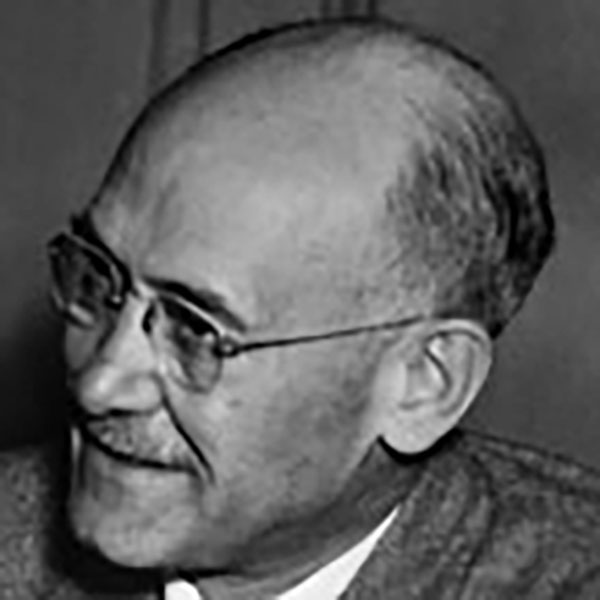
Harry L. Collins

*1929
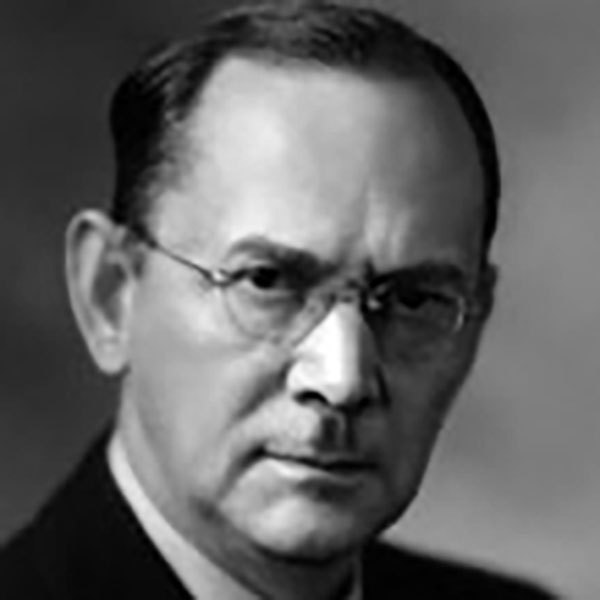
W. Curtis Brigham

*1929-1931
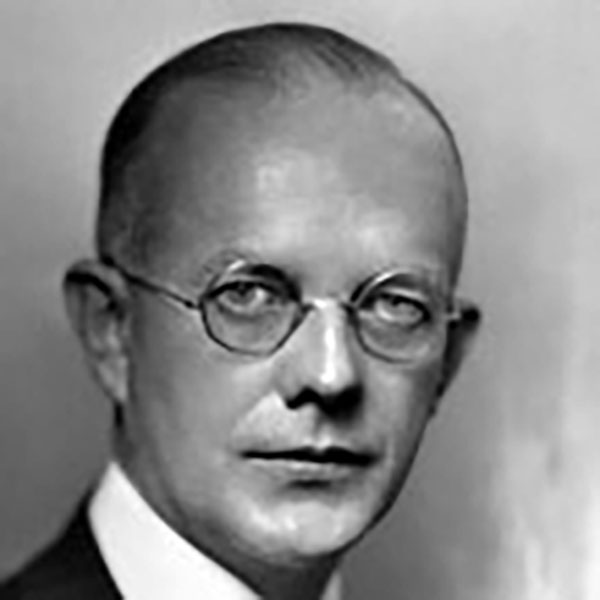
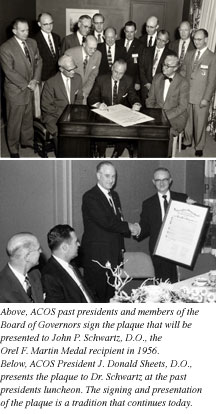
Orel F. Martin

*1932
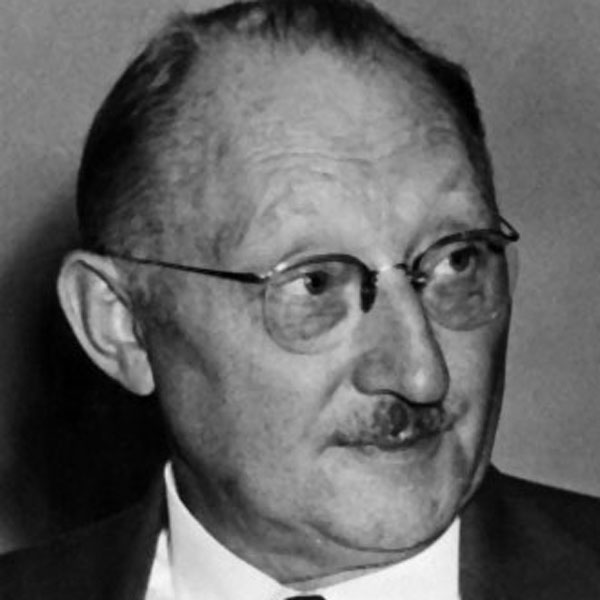
Edward G. Drew

*1933
George J. Conley

*1934
Albert C. Johnson

*1935
Herbert C. Wallace

*1936
John P. Schwartz

*1937
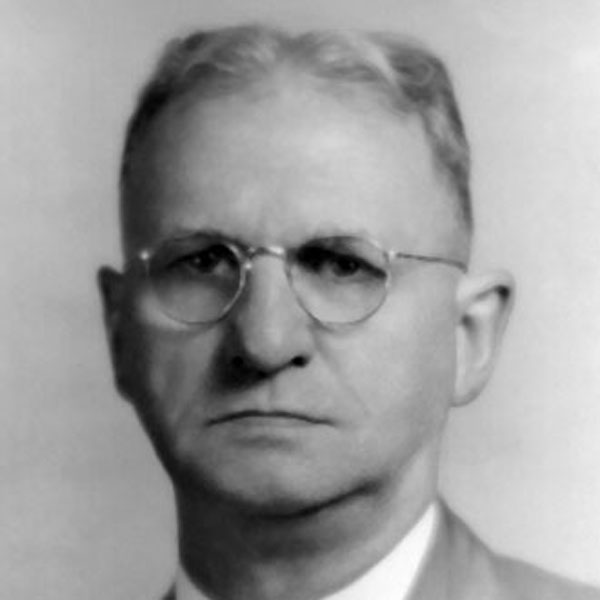
Orrin O. Bashline

*1938
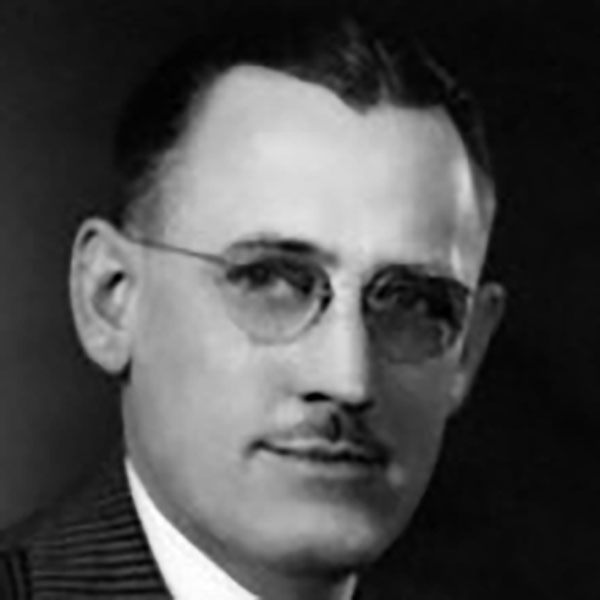
Howard E. Lamb

*1939
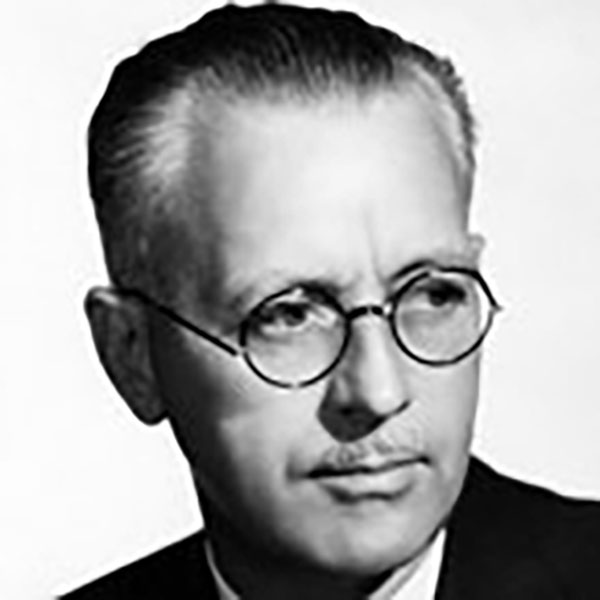
Edward B. Jones

*1940
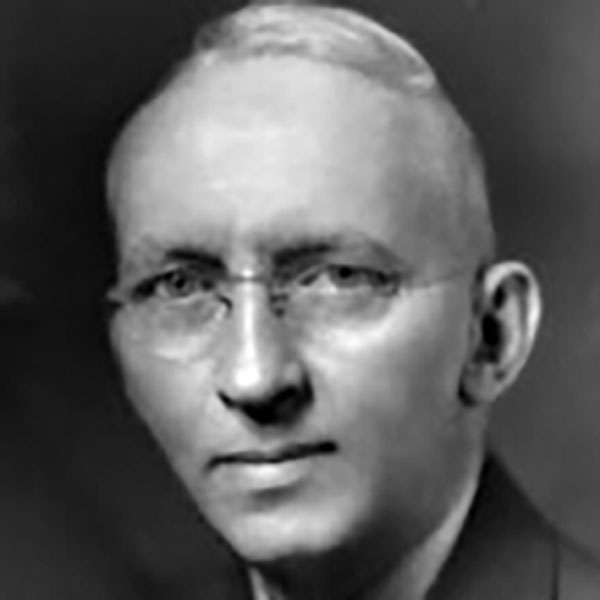
Ralph P. Baker

*1941
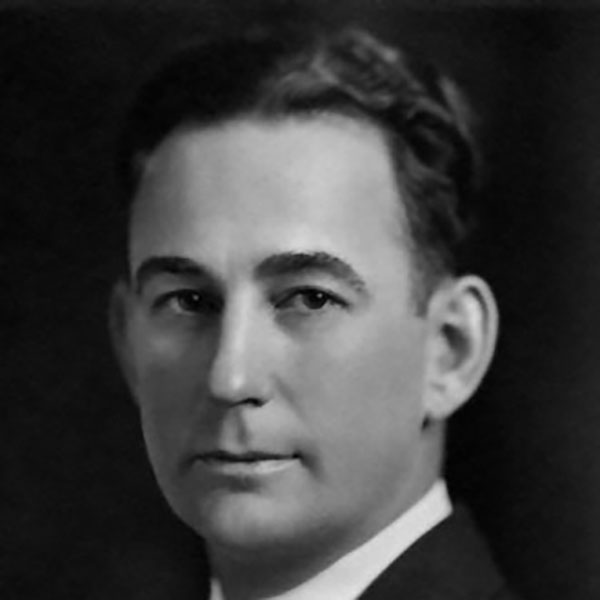
C. Denton Heasley

*1942
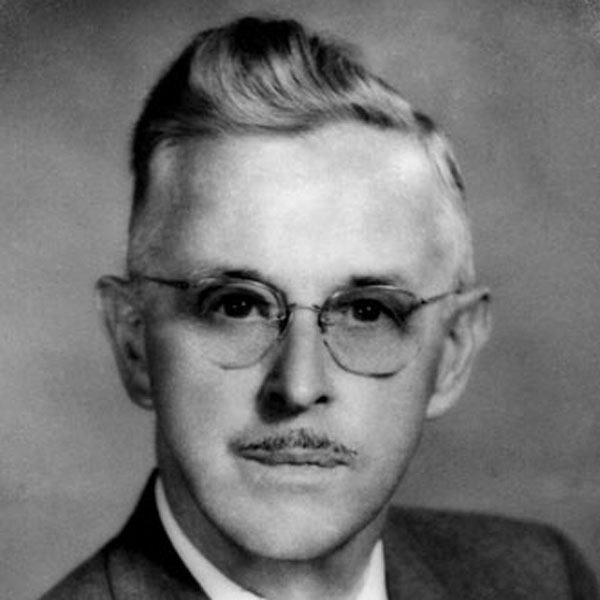
Andrew R. M. Gordon

*1943
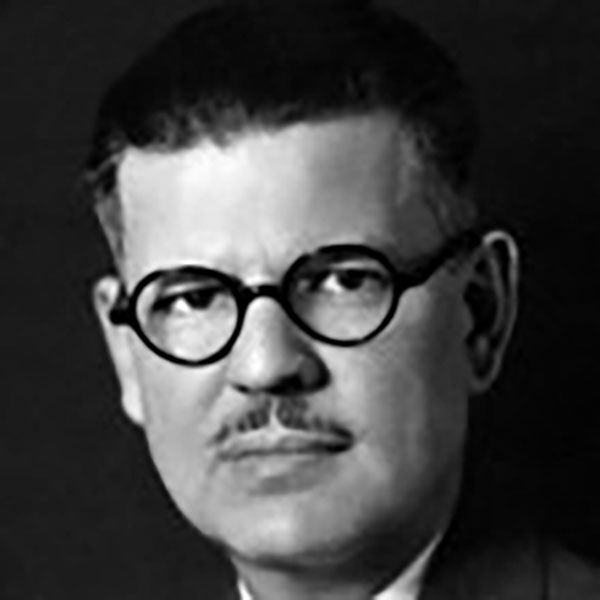
Richard A. Sheppard

*1944
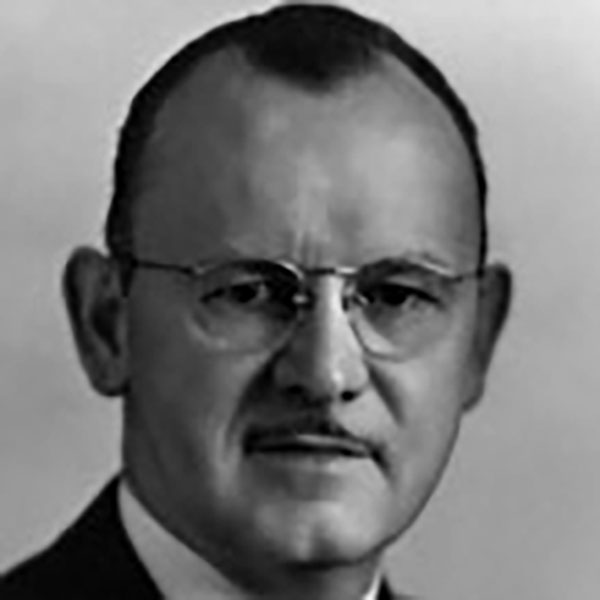
George C. Widney

*1944-1946
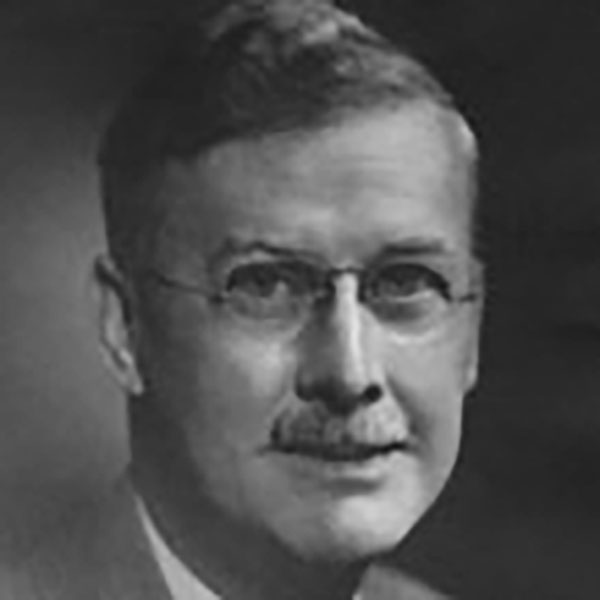
H. Willard Sterrett

*1947
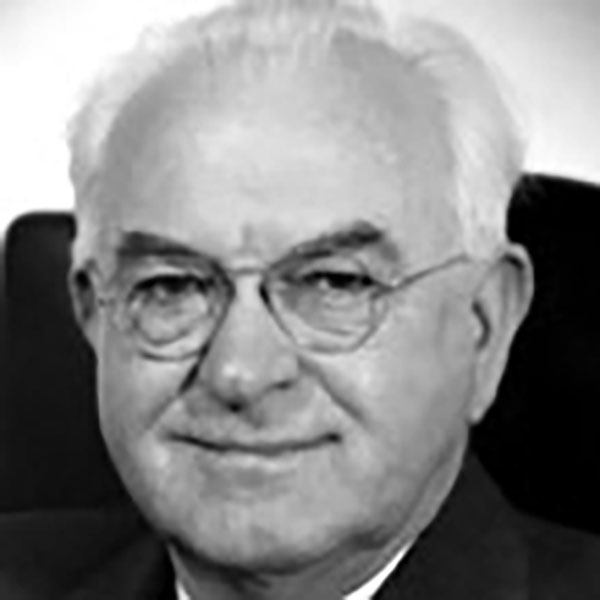
Edward T. Abbott

*1948
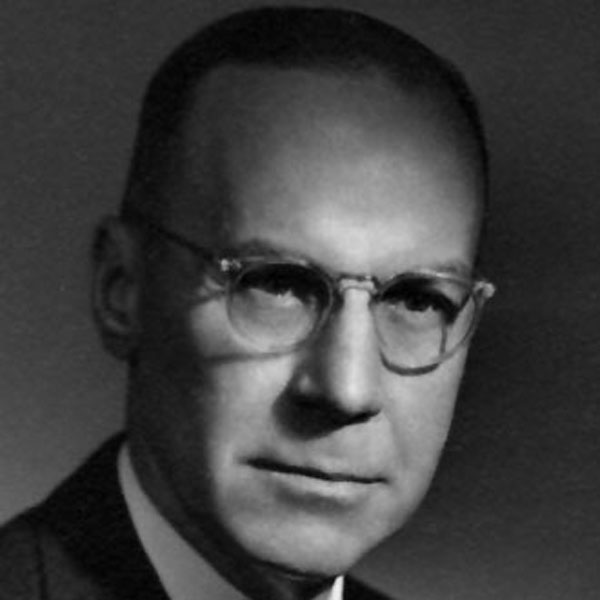
Frank A. Dilatush

*1949
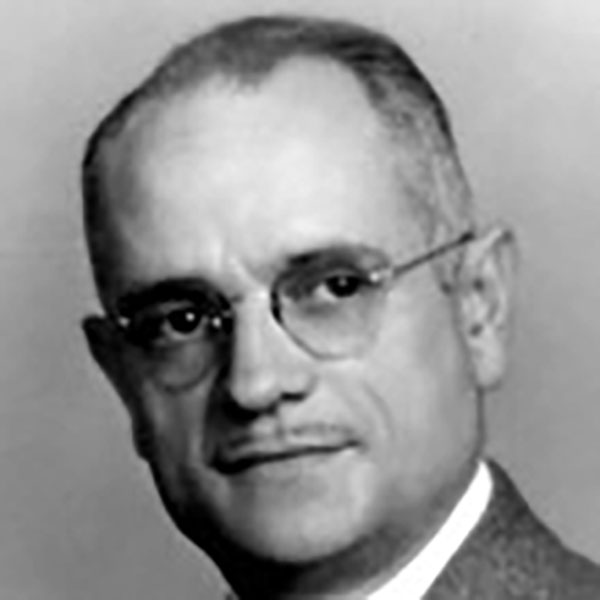
J. Gordon Hatfield

*1950
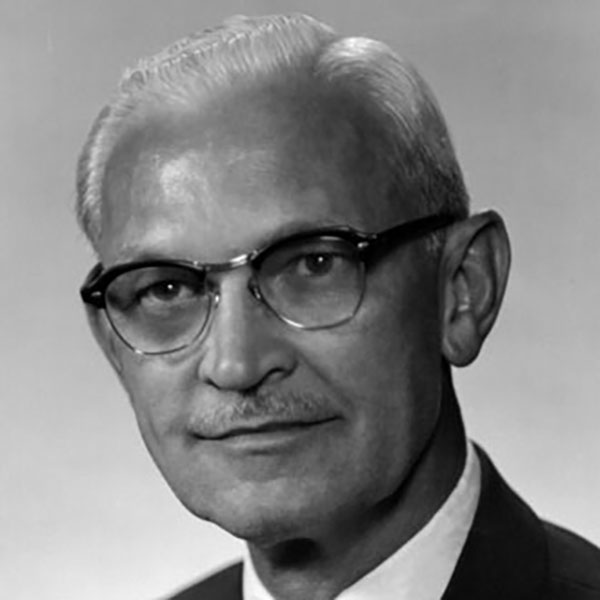
Charles L. Ballinger

*1951
Lucius B. Faires

*1952
James O. Watson

*1953
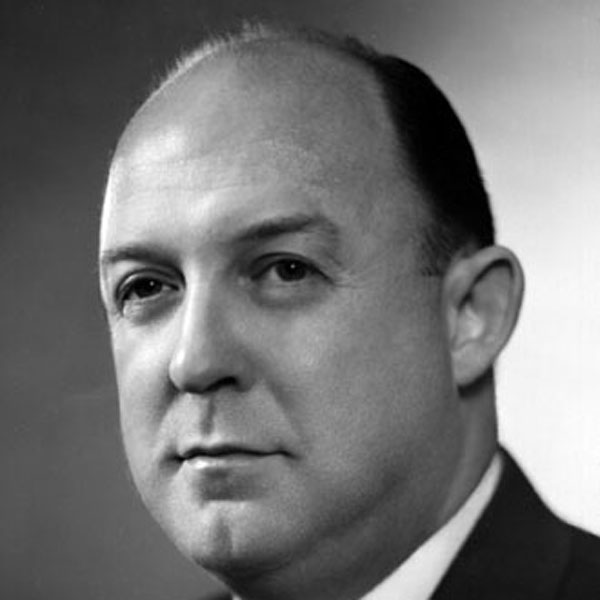
James M. Eaton

*1954
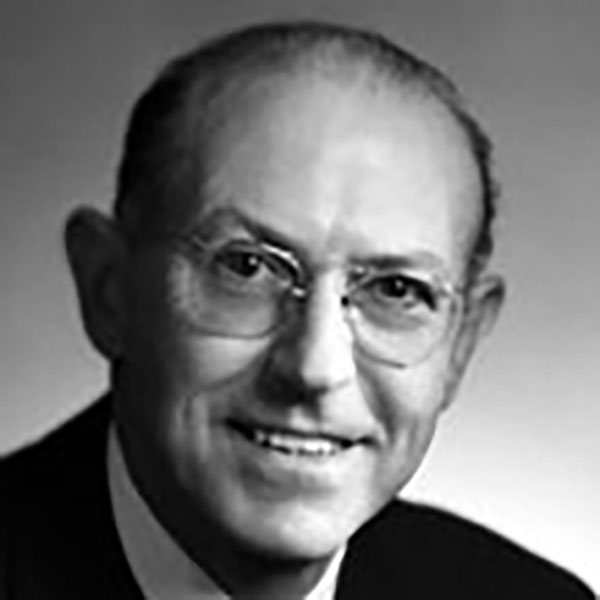
J. Willoughby Howe

*1955
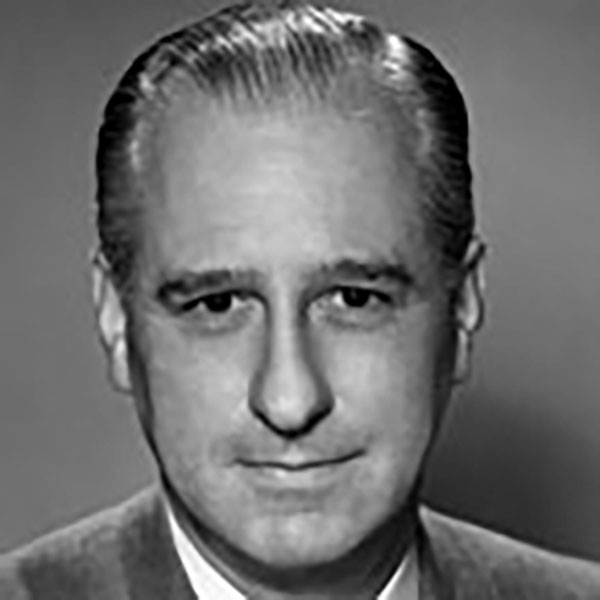
J. Donald Sheets

*1956
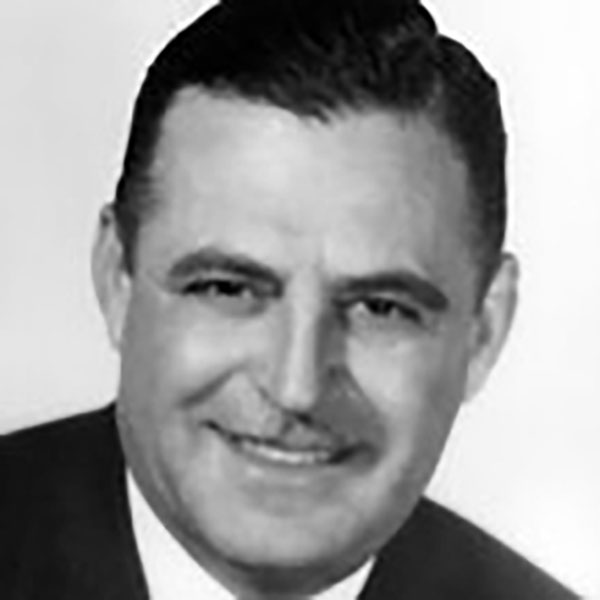
Harold J. McAnally

*1957
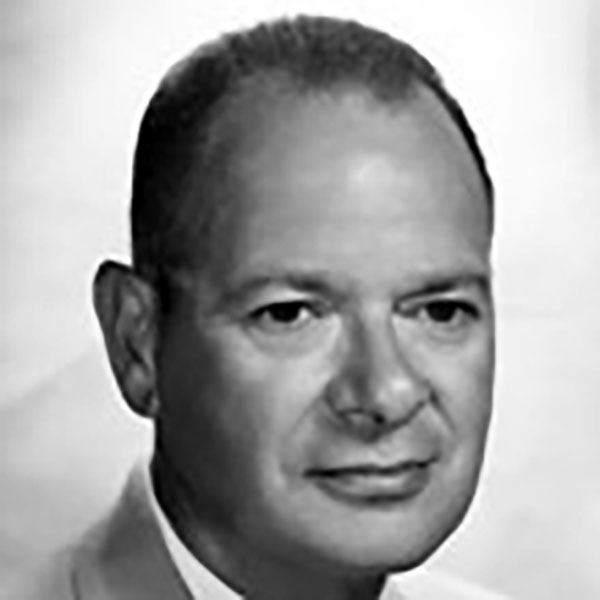
Karnig Tomajan

*1958 & 1961
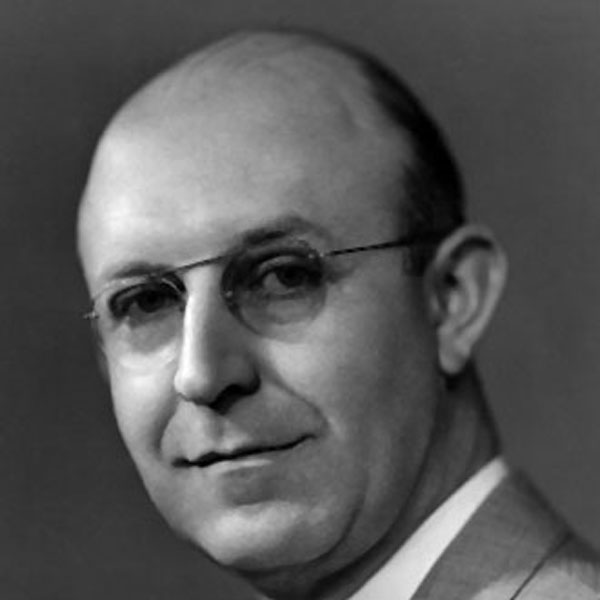
Howard A. Graney

*1959
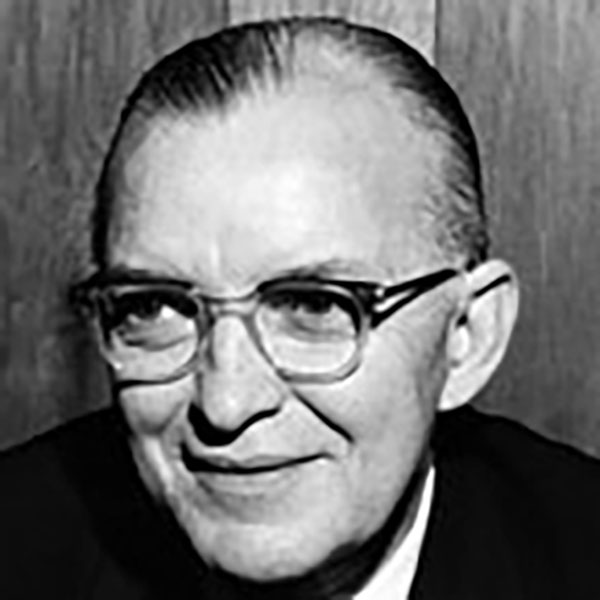
Milton V. Gafney

*1960
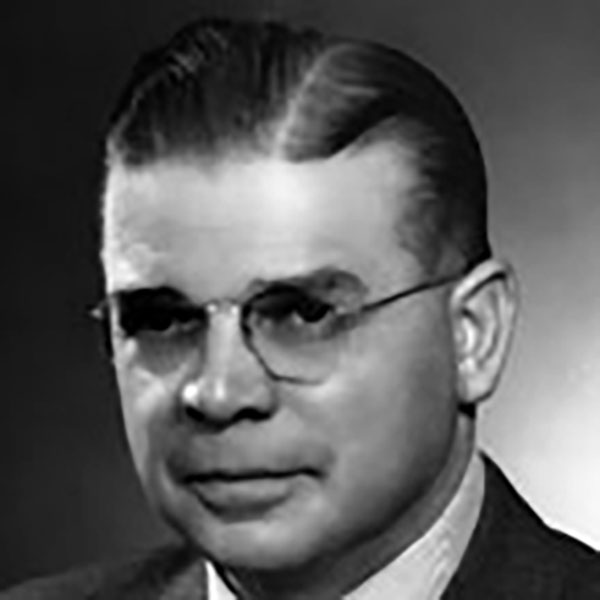
Ernest G. Bashor

*1961 Expelled Proxy: Karnig Tomajan
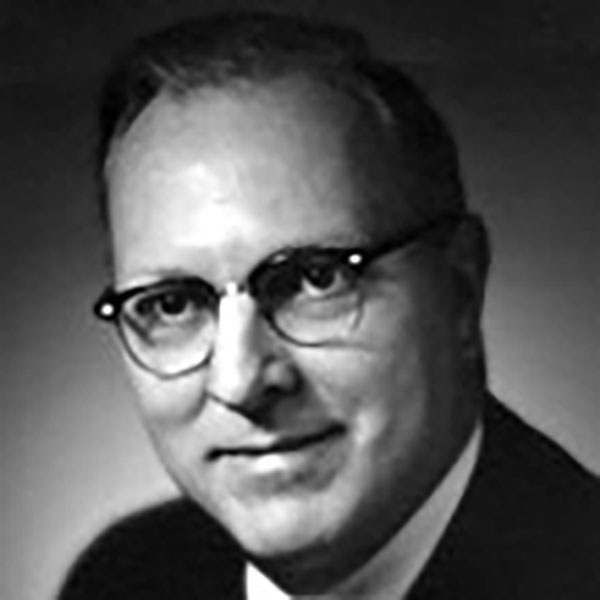
Howard C. Baldwin

*1962
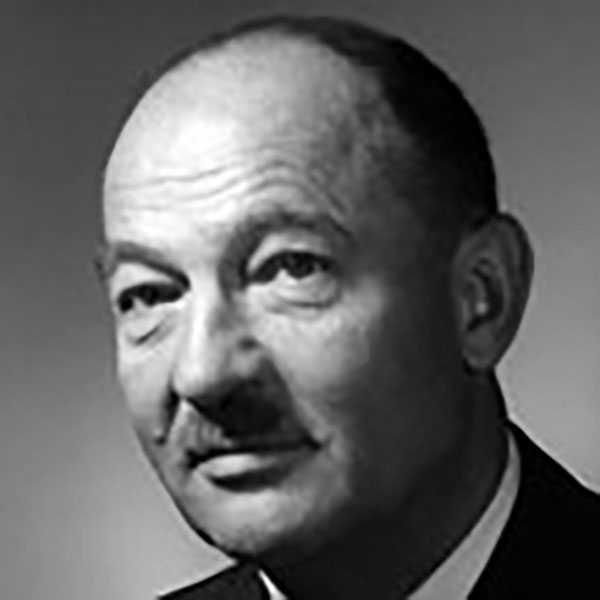
Emmett Binkert

*1963
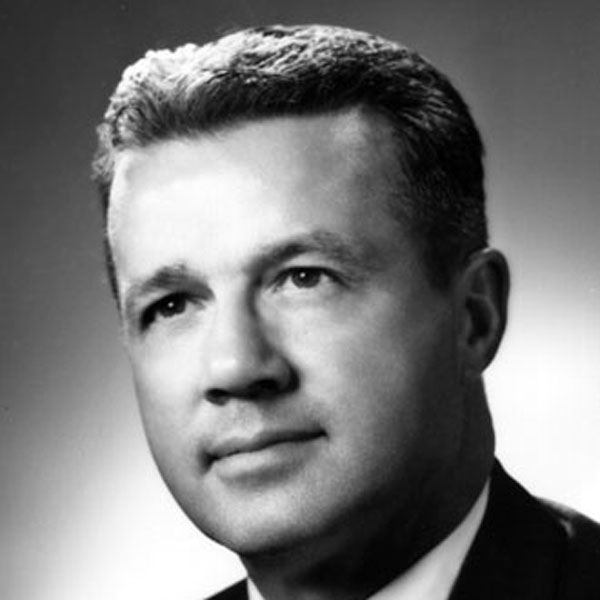
Clois H. Guthrie

*1964
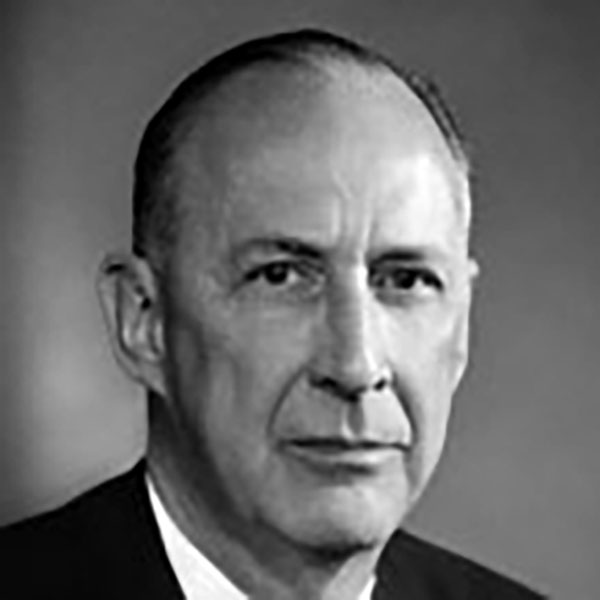
Arthur M. Flack, Jr.

*1965
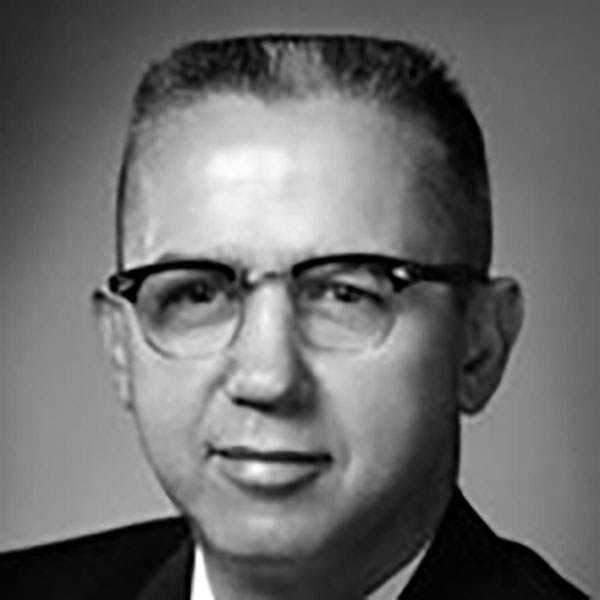
Paul R. Koogler

*1966
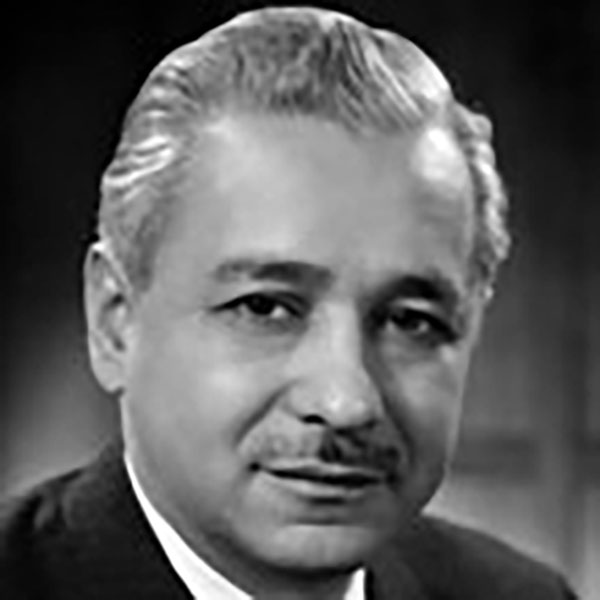
Theodore F. Classen

*1967
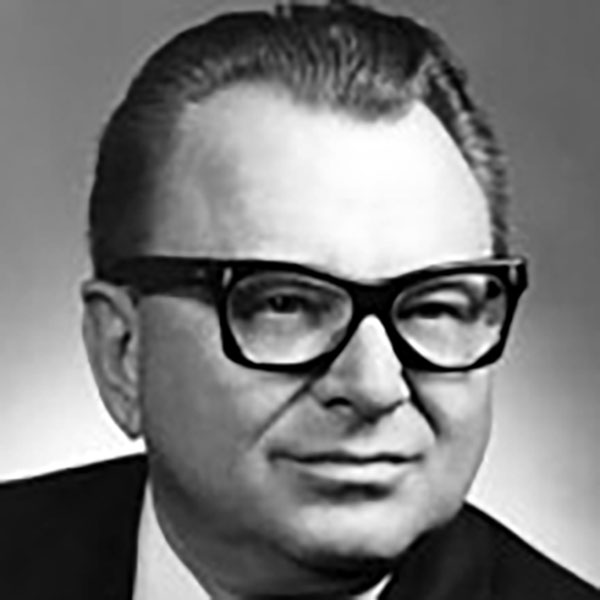
Richard A. Michael

*1968
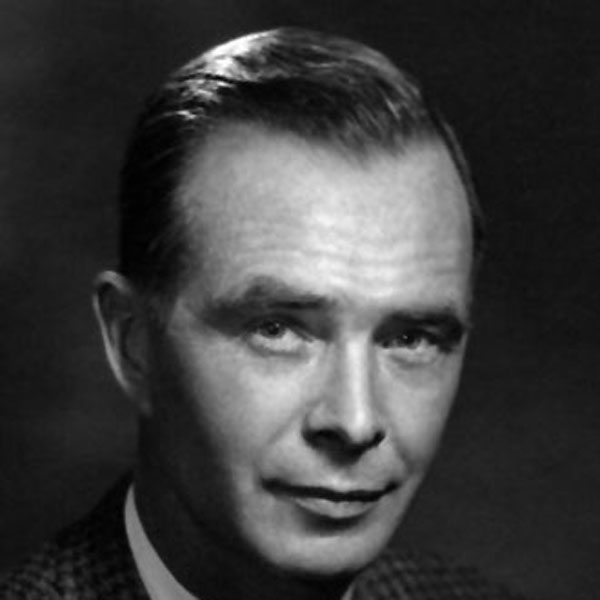
Charles H. Brimfield

*1969
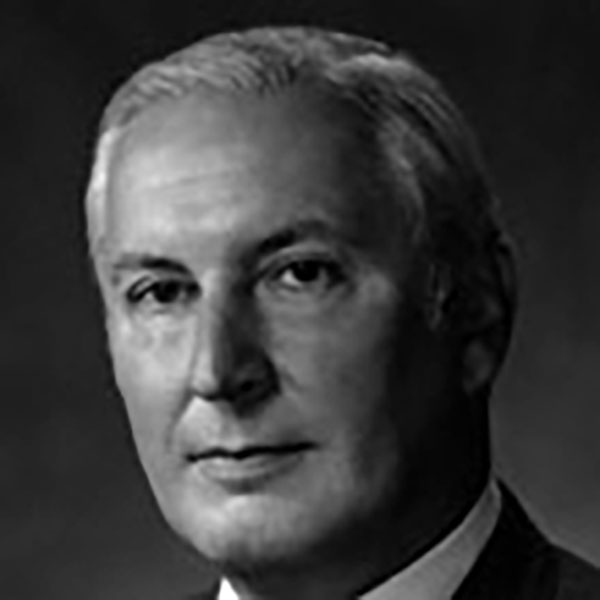
Robert C. Erwin

*1970
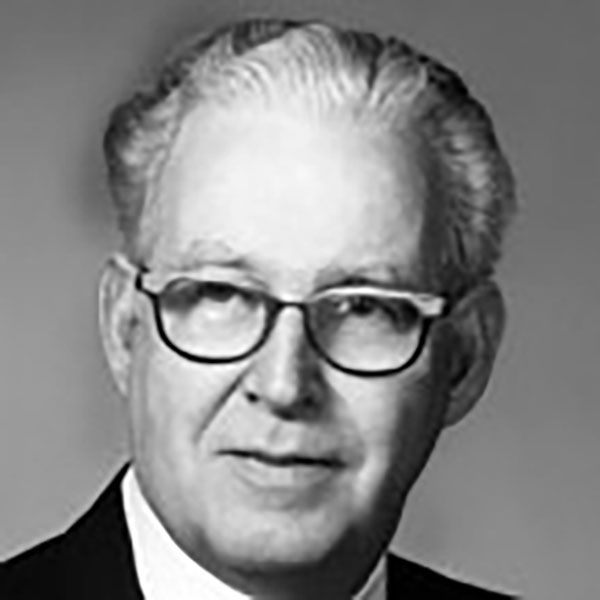
J. Natcher Stewart

*1971
Ellis Siefer

*1972
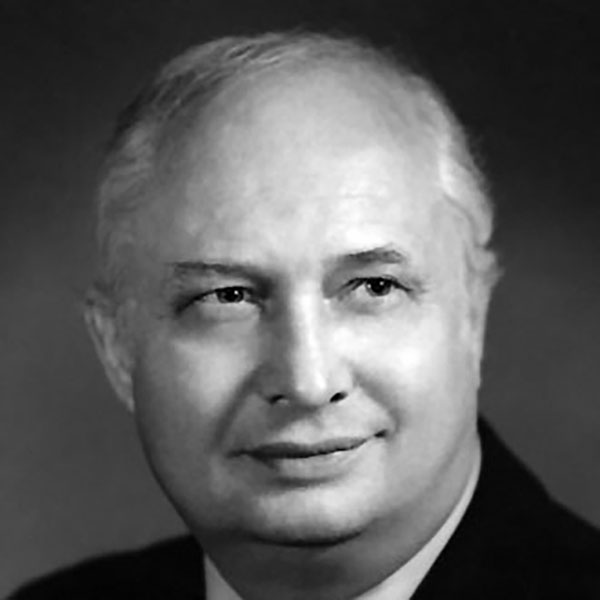
Charles R. Hetzler

*1973
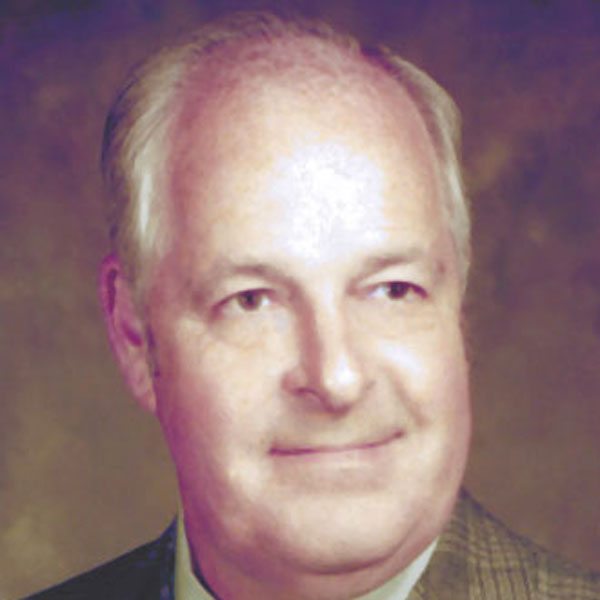
Paul W. Trimmer

*1974
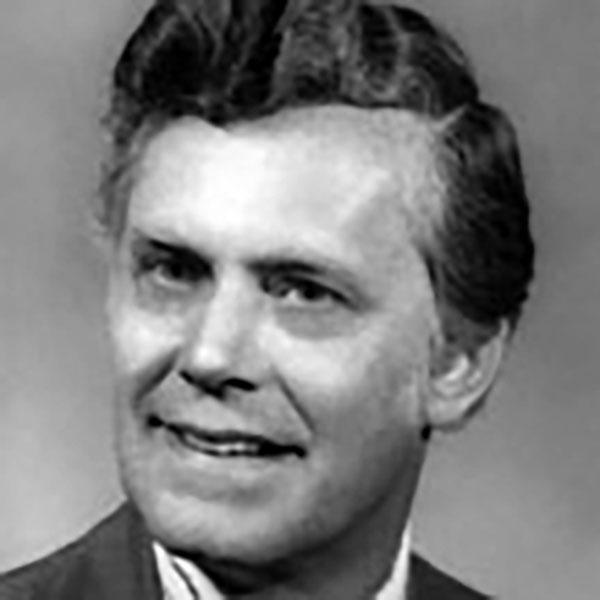
P. Robert Lombardo

*1975
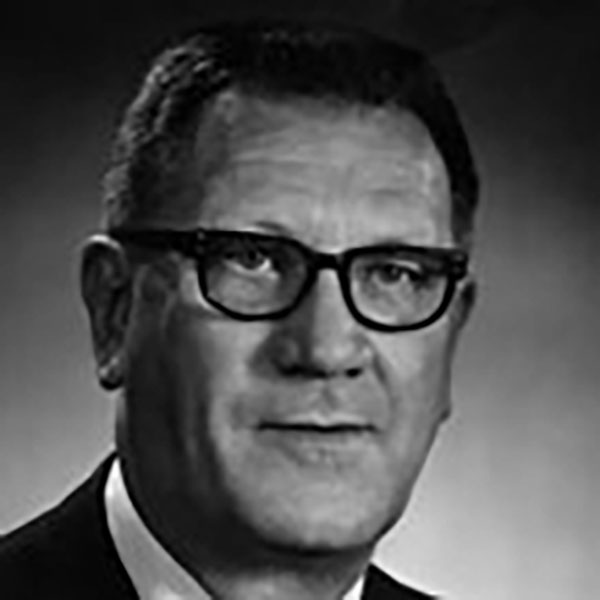
Donald Siehl

*1976
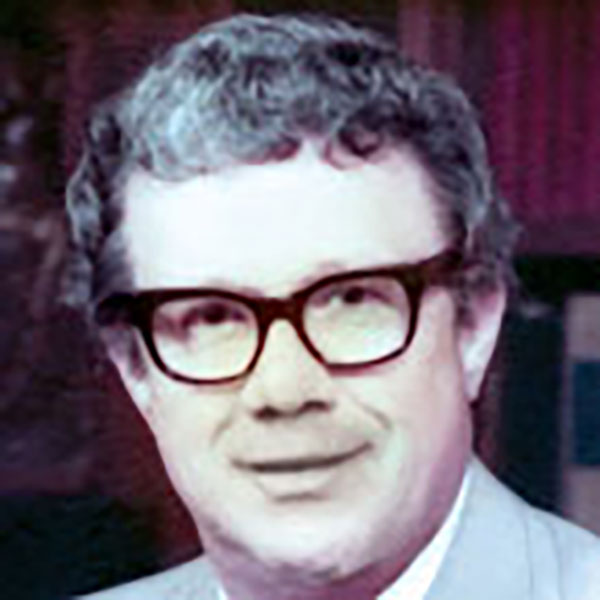
Richard P. Rounce

*1977
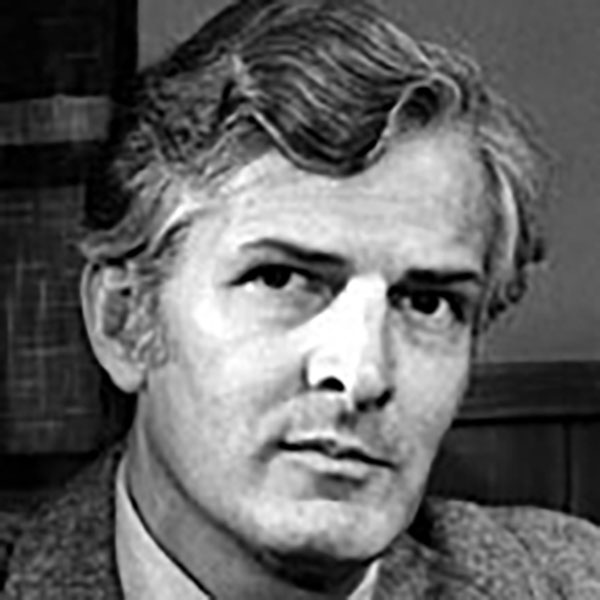
J. Richard Costin

*1978
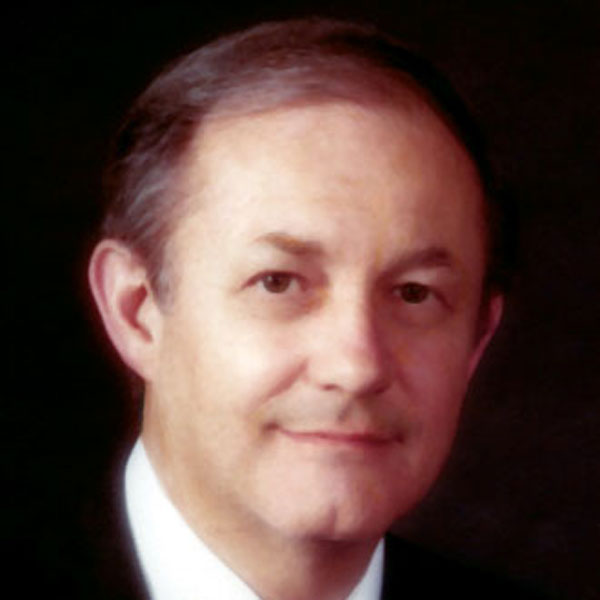
John A. Fetzer

*1979
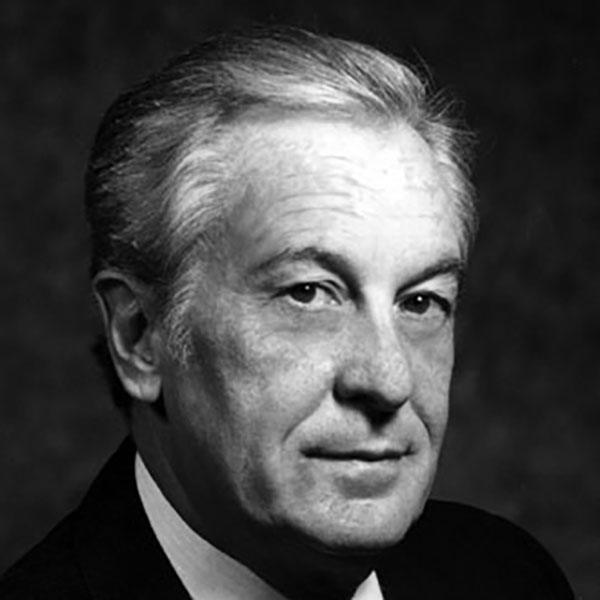
Albert S. Reibstein

*1980
C. W. Elliott

*1981
Michael A. Longo

*1982
Daniel L. Wisely

*1983
Samuel V. Origlio

*1984
Arnold Gerber

*1985
Sydney P. Ross

1986
Walter L. Wilson

*1987
Edward A. Loniewski

*1988
R. William Bradway

*1989
John H. Finley

*1990
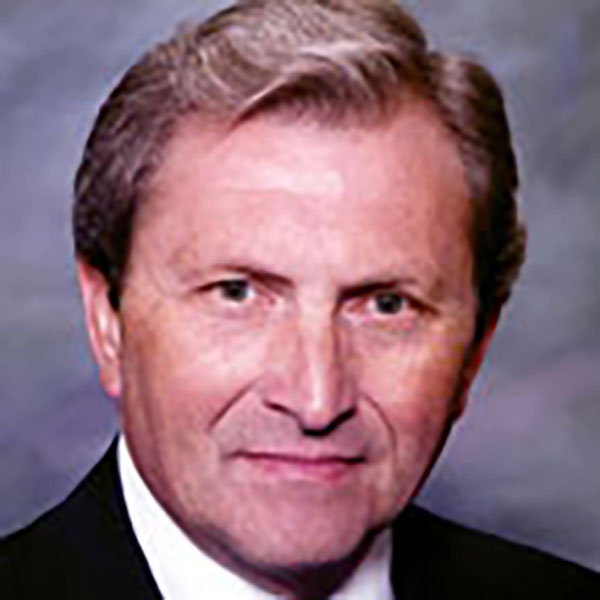
Norman Rose

1991
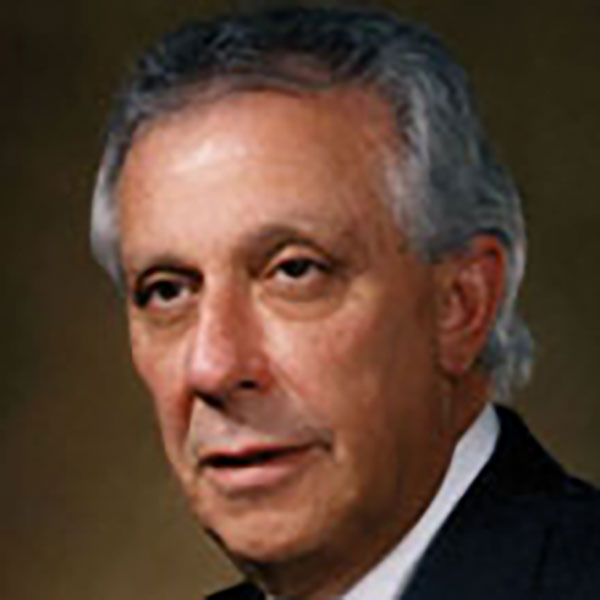
Paul Peter Koro

*1992
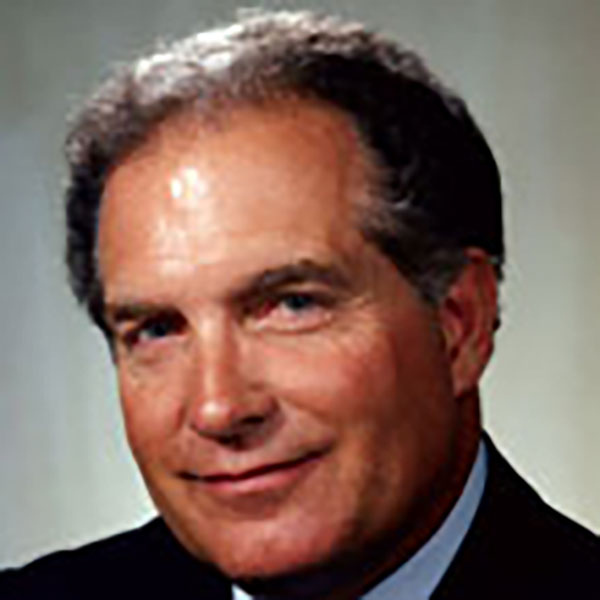
F. Kenneth Shockley

*1993
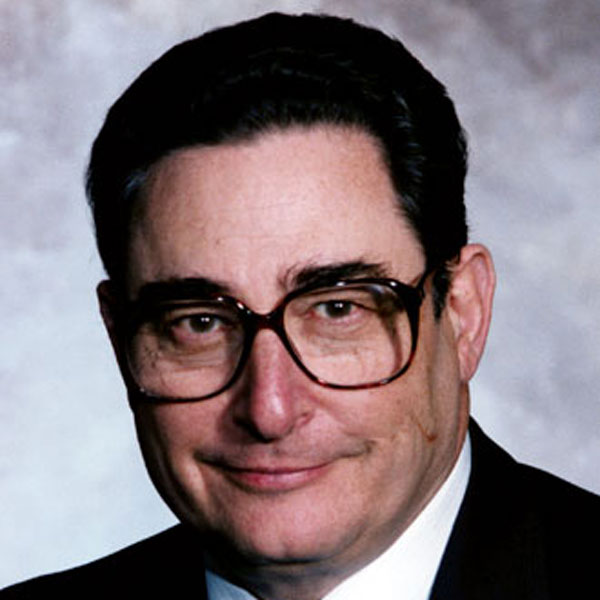
Bernard I. Zeliger

1994

John P. Smith Jr.

1995

David W. Smith

*1996
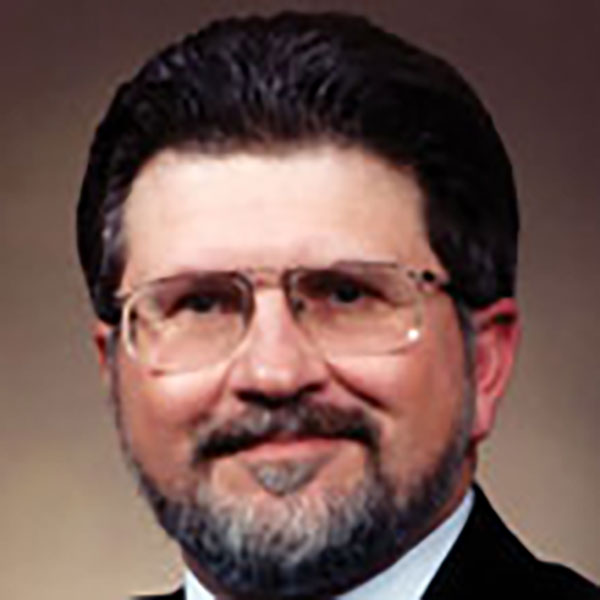
Richard A. Smialek

1997
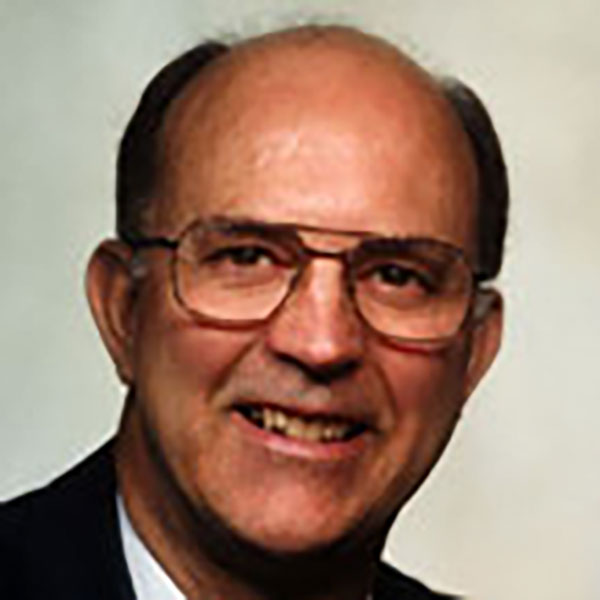
William P. Brown

1998
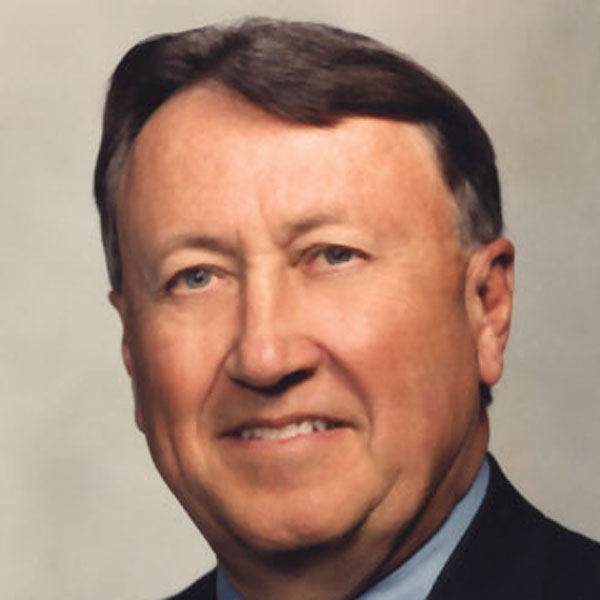
Ronald W. Wadle

*1999
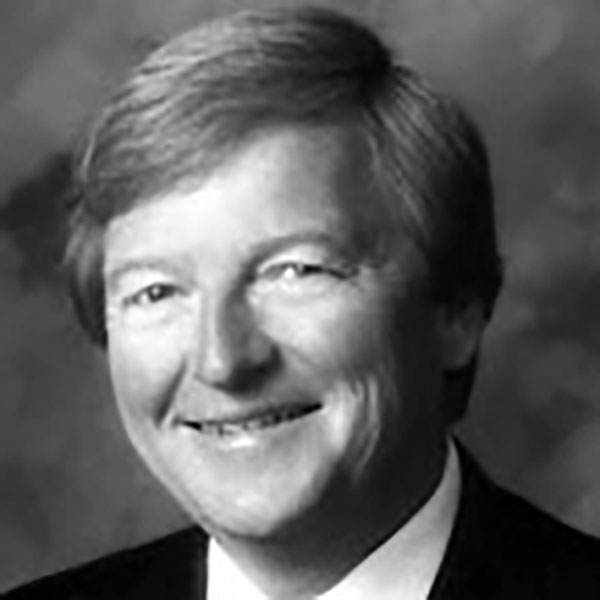
James E. Johnson

2000
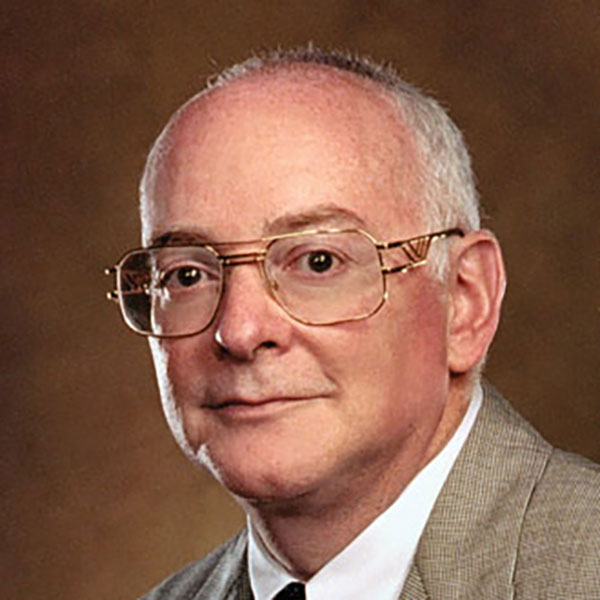
Alan L. Meshekow

2001
Kendall Reed

2002
Allan M. Arkush

*2003
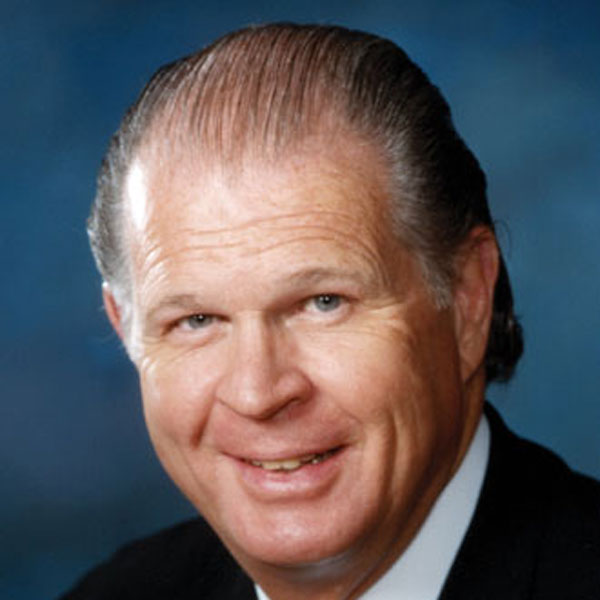
Albert F. Milford, III

2004
Robert H. Mashioff

2005
James E. Hoogeboom

2006
Alison A. Clarey

*2007
Les M. Landau

*2008
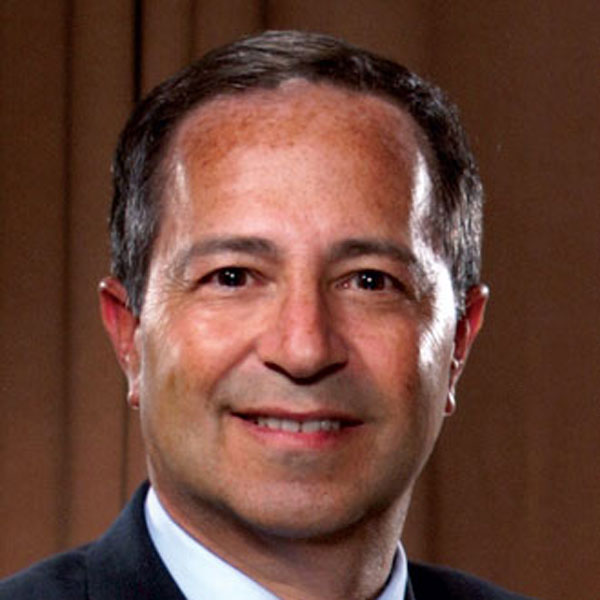
Laurence H. Belkoff

2009
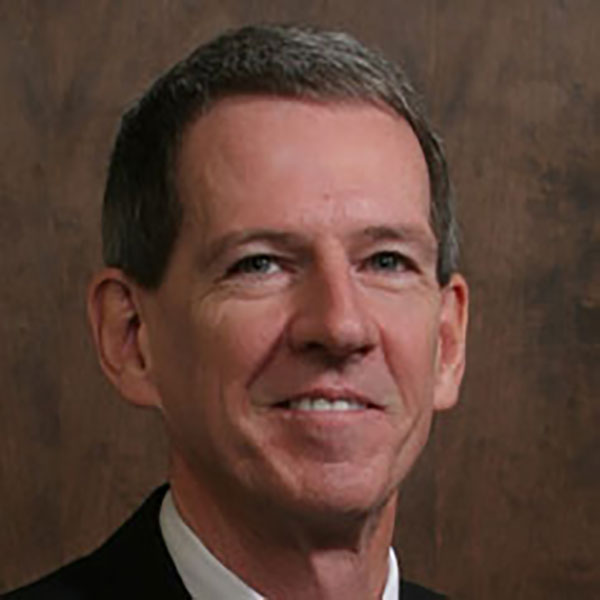
K. Michael Hughes

2010
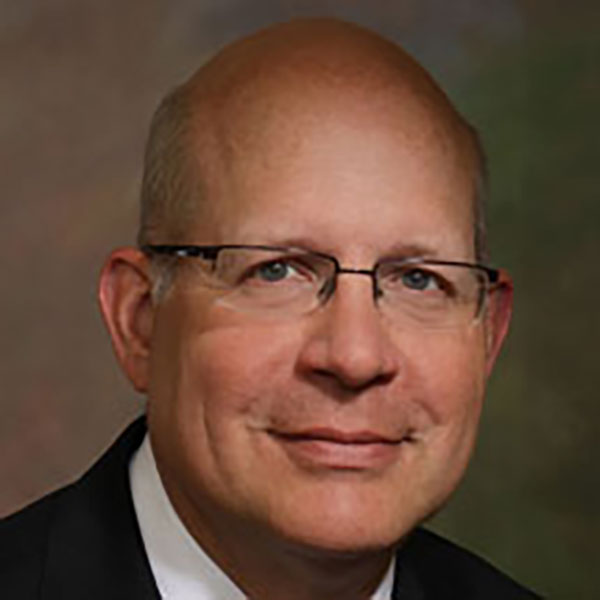
James H. McQuiston

2011
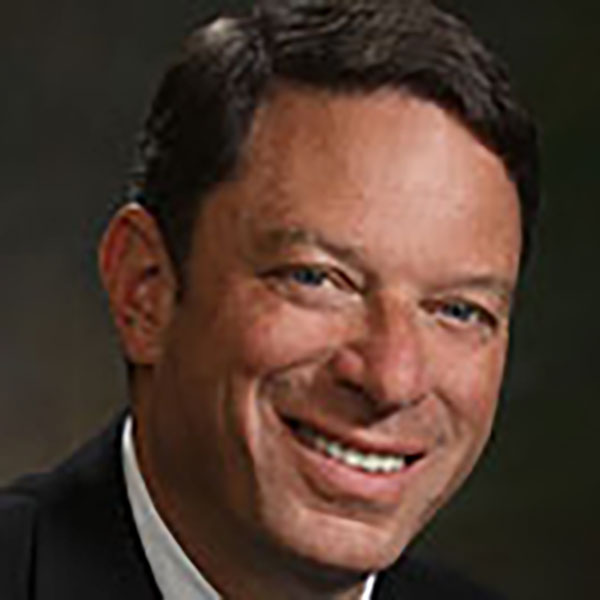
Eric A. Goldsmith

2012
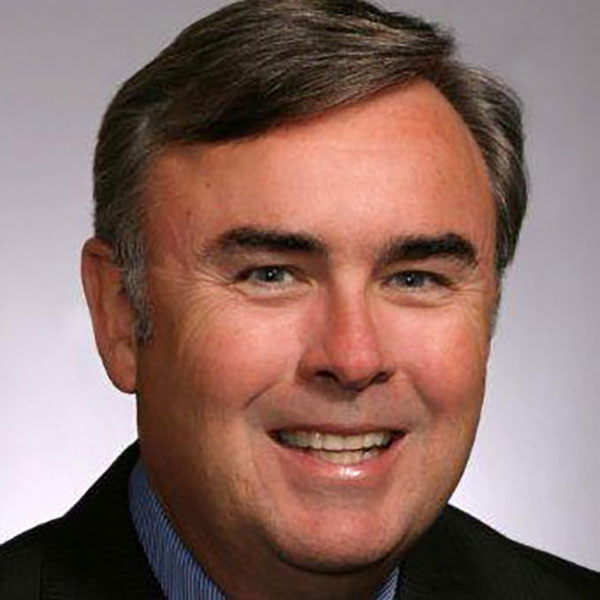
Adam B. Smith

2013
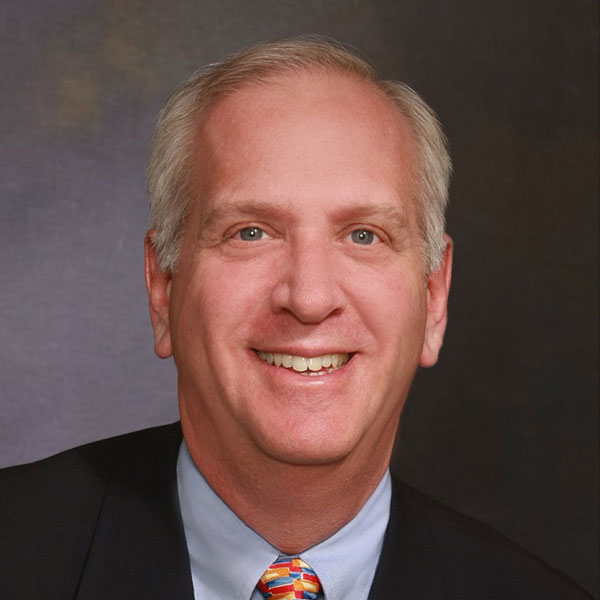
Richard D. Kimmel

2014
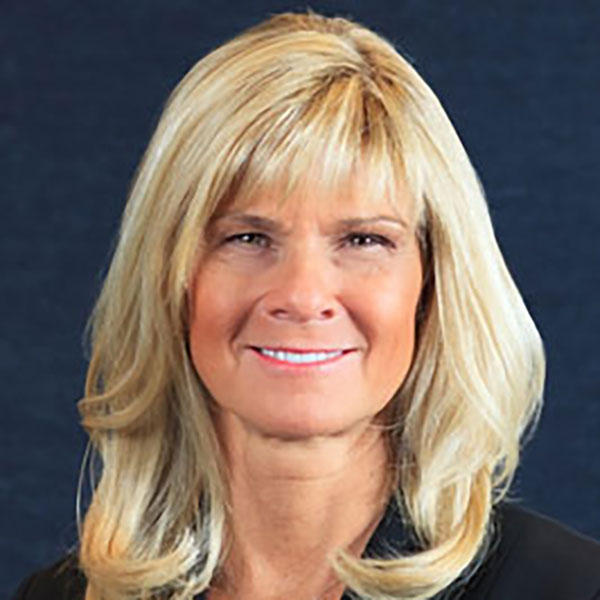
Valerie L. Sheridan

2015
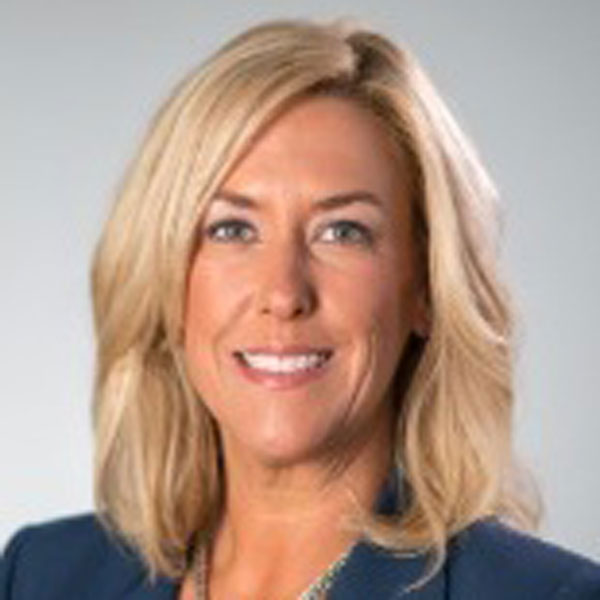
Dawn R. Tartaglione

2016
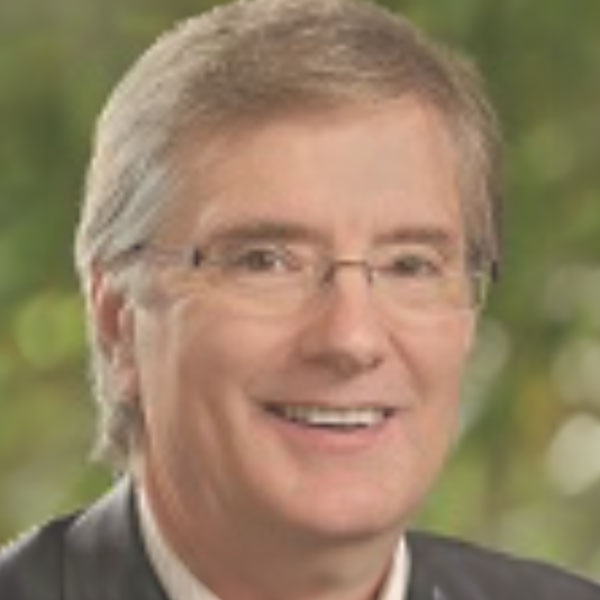
Scott A. Blickensderfer

2017
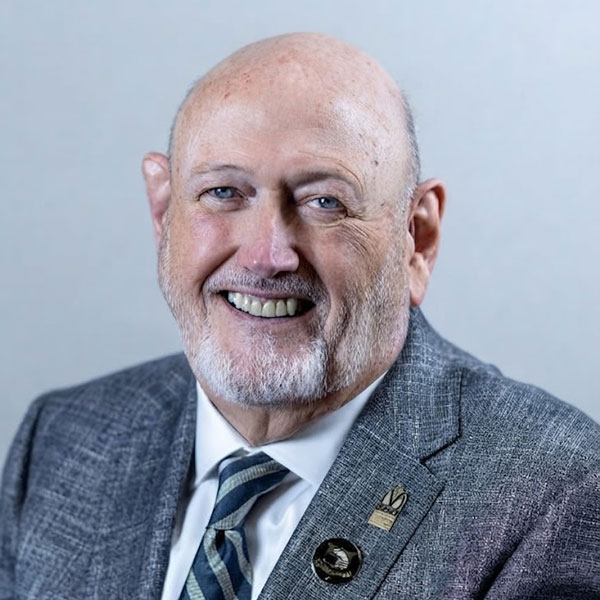
Ray-Morrison

Ray L. Morrison

2018

Todd A. Nickloes

2019
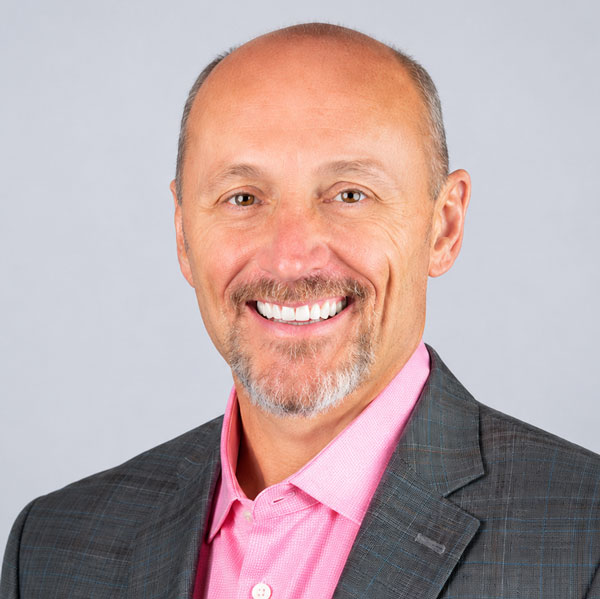
Larry A. Armstrong

2020
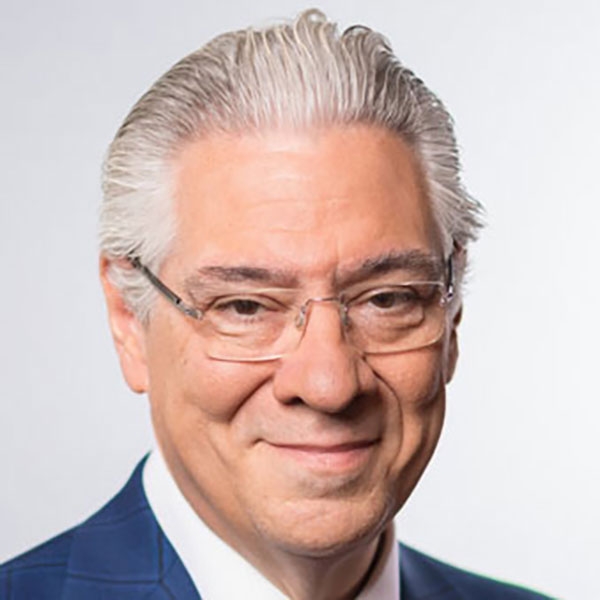
Eugene W. Laveroni, Jr.

2021
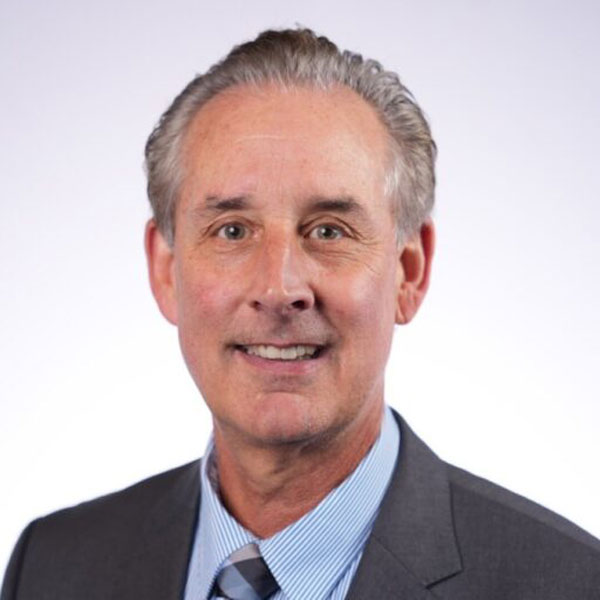
Christopher A. Reeder

2022
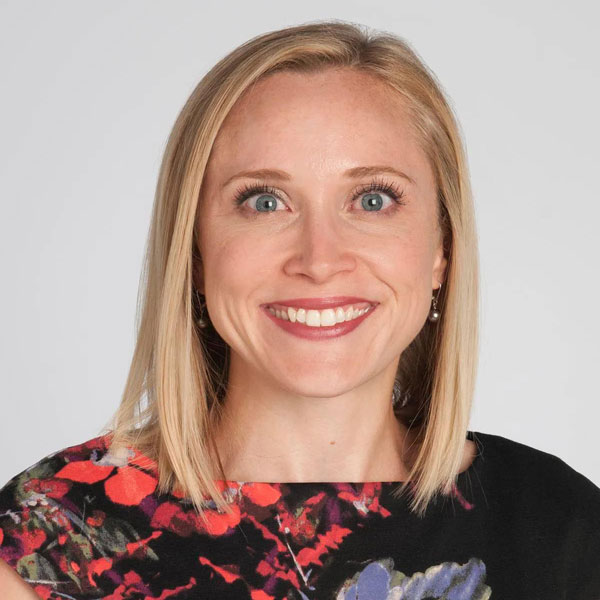
Kristen J. Conrad-Schnetz

2023
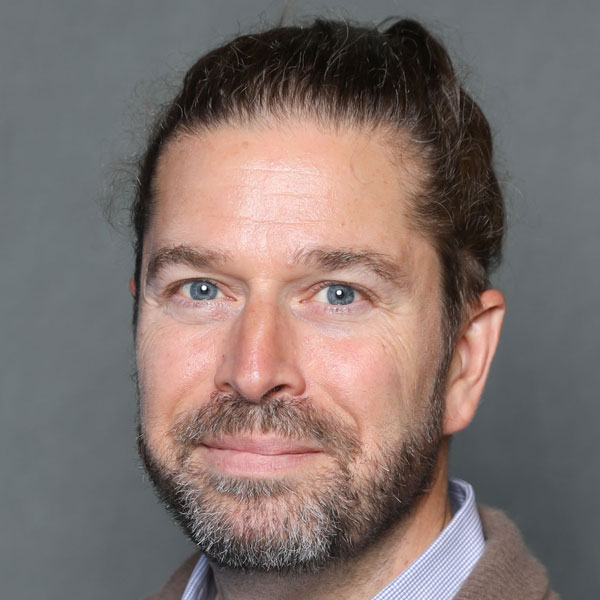
J. Bracken Burns, Jr.

2024
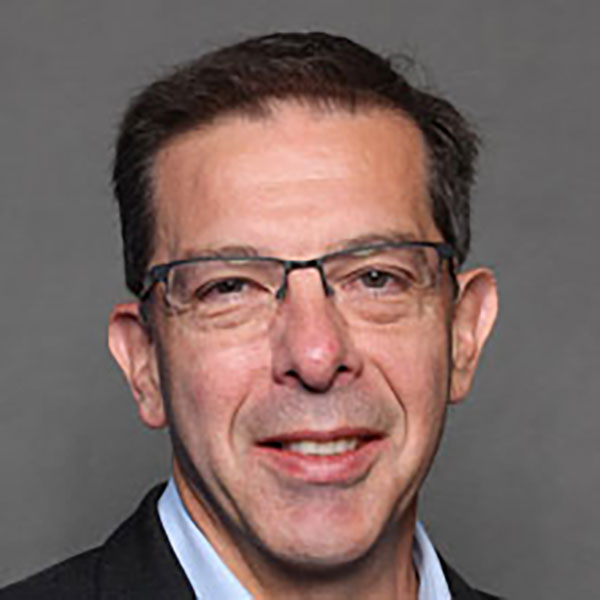
Francesco T. Mangano

2025